A new Go platform, PlayGo.gg, officially launches on February 9, positioning itself as an effort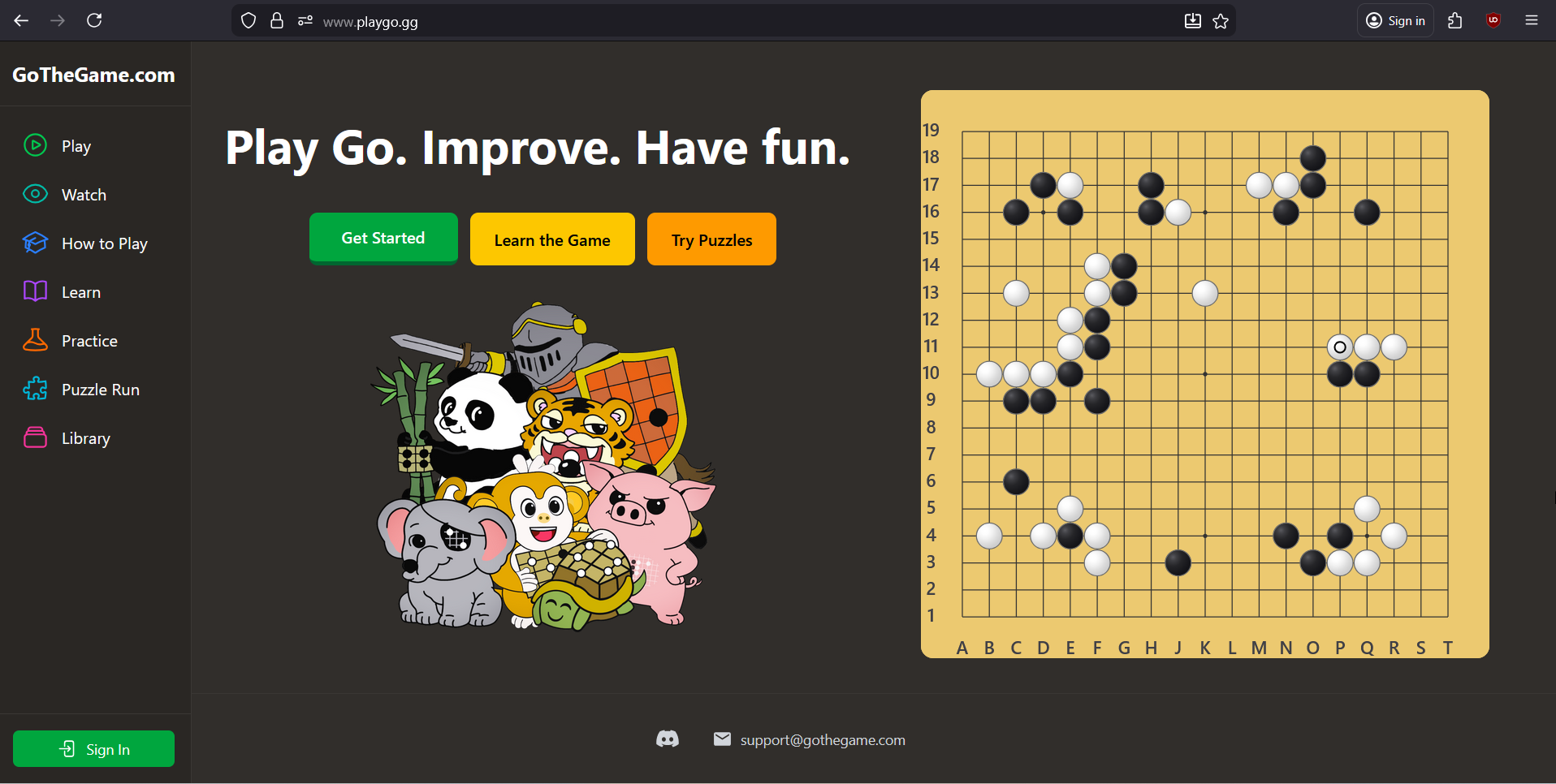 to rethink how Go is played, taught, and experienced in the modern digital era.
The founders argue that while Go’s depth and history are unmatched, the traditional way the game is presented can feel slow and inaccessible to new audiences accustomed to fast-paced video games and interactive media. Their goal: retain the essence of Go while lowering barriers to entry through simplicity, gamification, and AI-powered learning tools.
PlayGo.gg debuts with alternative Go experiences designed to be more beginner-friendly and engaging. Luck-based mechanics are already live, while additional features—such as randomized starting positions and expanded game variants—are currently in development.
The team is also working toward game-style “powerups” to assist players during puzzles or training sessions, and systems that allow users to “train” toward specific play styles—such as tactical fighters or calm positional players—through AI-recommended exercises and problems.
The team says these ideas borrow from successful video game design principles, aiming to make early experiences with Go more fun and less intimidating for casual players.
For existing players, PlayGo.gg positions itself as an all-in-one Go platform. Features include fast matchmaking, gamified puzzles, AI game review and coaching, interactive lessons, access to professional teachers, and rewards that can be exchanged for Go-related items such as books, lessons, and tournament trips.
The site also plans to host regular professional competitions, including a weekly open pro event with a cash prize pool—modeled loosely on chess.com’s popular online tournaments. Anti-cheat detection, a long-standing concern in online Go, is another feature the team says will distinguish the platform.
PlayGo.gg’s strategy extends beyond gameplay. Inspired by the rise of chess.com, the team plans to collaborate with Go professionals, streamers, and content creators to bring Go into broader mainstream media. Influencer-driven tournaments and creator-focused content are central to that plan, with early support from popular Go YouTubers announced ahead of launch.
The founding team includes long-time high-level Go players Matthew and Nathan Harwit, along with software engineer and AI researcher Kevin Wang. Collectively, they bring experience in Go education, startup development, and scalable AI systems.
After its February launch in Japan and Korea, PlayGo.gg plans to expand further into East Asia, including China, and eventually beyond the existing Go community. Longer-term ambitions include partnerships, large-scale media events, and crossovers designed to introduce Go to entirely new audiences.
Whether PlayGo.gg’s blend of tradition, technology, and gamification will succeed remains to be seen—but its launch marks one of the most ambitious attempts in recent years to rethink how Go is presented in the digital age.